


How to Choose The Right Residential HVAC System

Choosing the right residential HVAC (Heating, Ventilation, and Air Conditioning) system is crucial for maintaining comfort and energy efficiency in your home. An HVAC system is a l
ong-term investment that impacts your indoor environment and energy consumption. This article will guide you through the essential factors to consider when selecting a residential HVAC system, ensuring a decision that satisfies all your heating and cooling requirements.
Choosing the Right Type and Size of HVAC System
First, consider the type and size of the HVAC system best suited for your home. The most common types are central air conditioners, ductless mini-split systems, and heat pumps. Each has distinct advantages depending on your home's layout and specific needs. For instance, ductless mini-splits are excellent for homes without existing ductwork. Moreover, ensure the system's capacity matches your home’s size, as an improperly sized system can lead to inefficiency and excessive wear and tear.
Evaluating Energy Efficiency
Next, evaluate the energy efficiency of the HVAC system. Energy efficiency not only lowers utility bills but also reduces your carbon footprint. Look for systems with high SEER (Seasonal Energy Efficiency Ratio) ratings for cooling and high HSPF (Heating Seasonal Performance Factor) for heating. According to This Old House, a well-maintained HVAC system typically lasts between 15 to 20 years, so choosing an efficient and reliable model can result in long-term savings and sustainability.
Installation and Maintenance Considerations
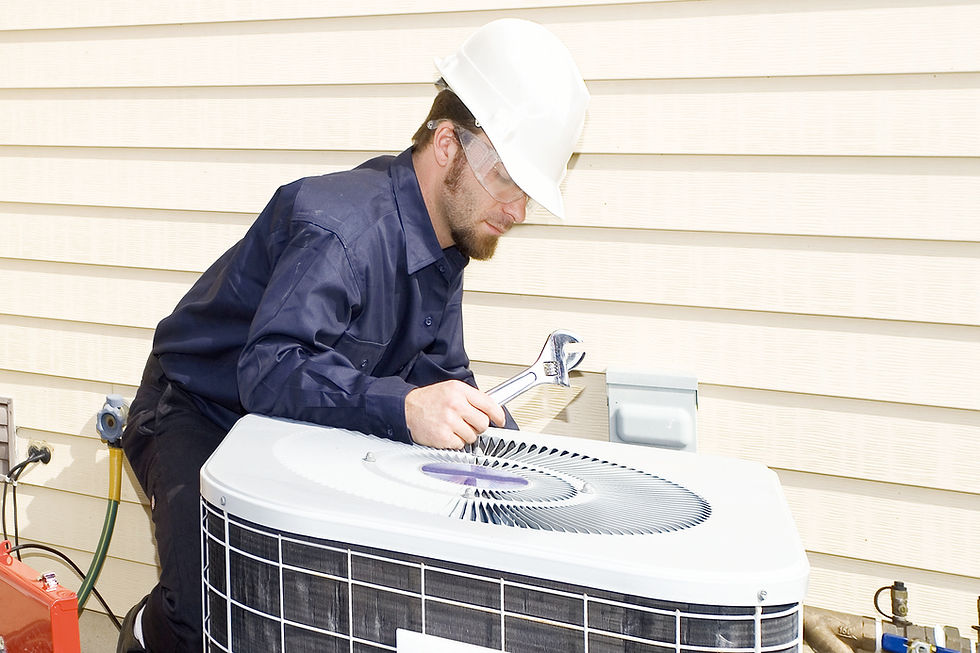
Finally, don’t overlook the installation and maintenance aspect. Proper installation is critical and can significantly affect the system's performance, efficiency, and lifespan. Engage a licensed professional who can install your HVAC system according to the manufacturer's specifications and local building codes. Regular maintenance is also essential, as it can help prevent breakdowns and extend the system's life to its full potential. Be sure to arrange seasonal check-ups and address issues promptly.
In conclusion, selecting the right residential HVAC system entails considering the type, size, energy efficiency, installation, and maintenance practices. By carefully evaluating these factors, you can ensure optimal performance and longevity of your HVAC system. Keep in mind that this is a long-term investment that significantly influences your home's comfort levels and energy expenses, making it worth the time and research to choose wisely. If you're looking for a reliable HVAC company, reach out to B & L Heating and Air Conditioning, Inc today.


Comments